Massachusetts Vehicle Inspections: A Driver’s 2026 Guide
What the annual inspection covers, how emissions readiness can derail a test, what a rejection means, and how to find an official station without guessing.
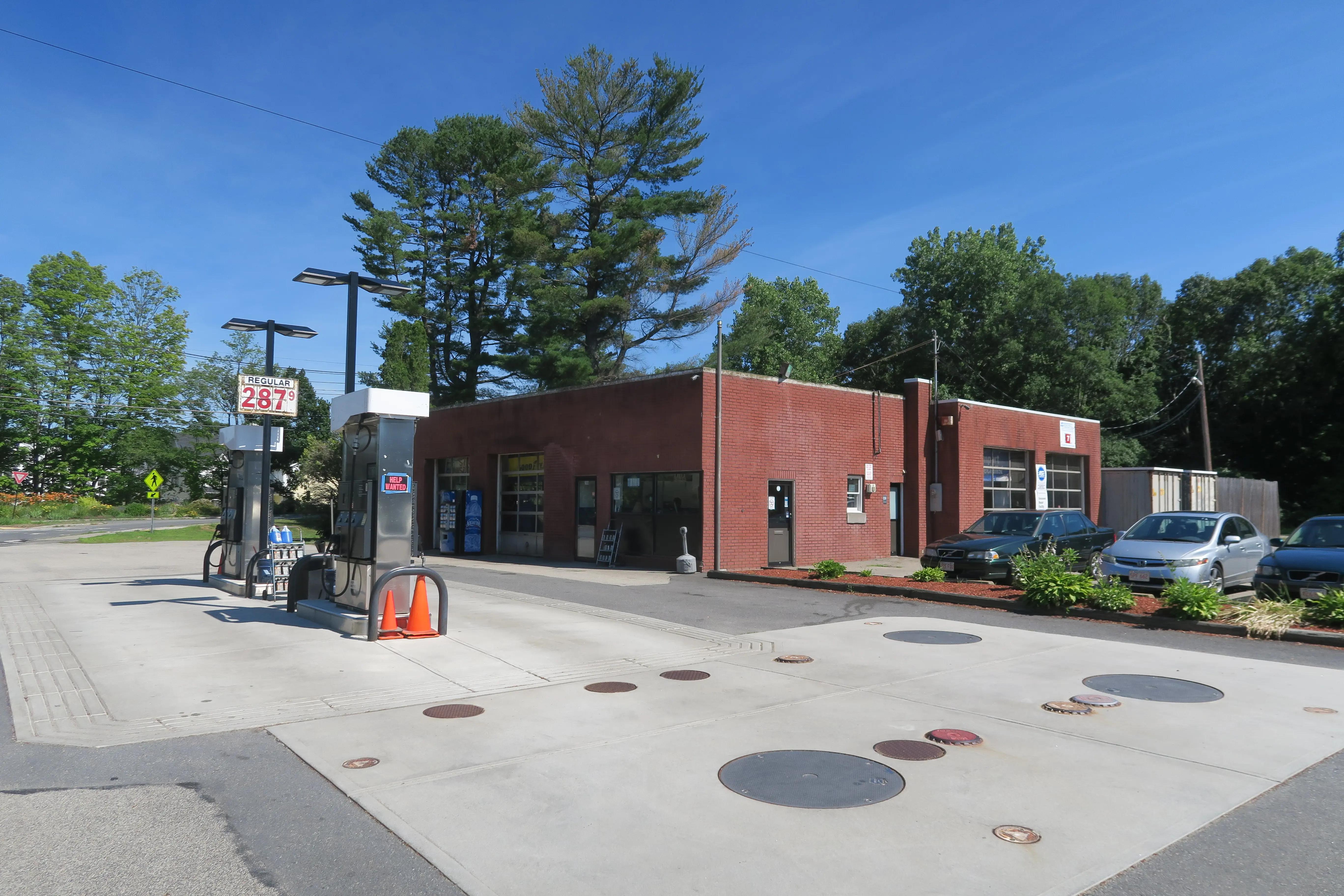
Sudbury Automotive in South Sudbury, Massachusetts, photographed July 8, 2018. Inspection signage is visible above the right-hand garage bay.Exterior reference photograph, not a 2026 inspection in progress or a station recommendation. Displayed prices and signs are historical.Photo: John Phelan / Wikimedia Commons · CC BY 4.0Metadata removed and converted to WebP by 617 News; framing varies by screen size.
A Massachusetts inspection is easy to postpone and frustrating to fail. The useful approach is to separate what every vehicle receives—a safety inspection—from the emissions test required for many vehicles, then understand what the result sticker and Vehicle Inspection Report actually mean.
This guide summarizes the official program as checked in August 2026. It is not legal advice, a mechanical diagnosis, or a guarantee that a vehicle will pass. Massachusetts Vehicle Check and Mass.gov control if rules or fees change.
The basics
- Frequency: vehicles operated on Massachusetts roads generally receive an annual safety inspection.
- Fee: the published fee is $35 for most vehicles.
- Newly purchased vehicle: Mass.gov says it must be inspected within seven days of registration.
- Where: at a licensed Massachusetts inspection station.
Start with the state’s vehicle-inspection overview on Mass.gov for the current rule summary.
What happens during the inspection
The official Massachusetts Vehicle Check basic-information page says all vehicles receive a safety inspection. Many light- and medium-duty vehicles also receive an annual on-board diagnostic emissions test; the current program page identifies model year 2012 and newer for that test in 2026. Vehicle type, fuel, model year, and exemptions can affect the exact test, so let the station and official program determine your vehicle’s category.
The program’s motorist FAQ says the safety portion takes about 12 minutes and covers 14 key systems. That estimate is not a promise about total wait time: station lines, check-in, emissions testing, and any documentation question can extend the visit.
Keep the Vehicle Inspection Report, commonly called the VIR. It records the result and is the document to read before authorizing repairs after a failure. A dashboard warning light or a mechanic’s opinion does not replace the official result.
A sensible pre-inspection check
A driveway check cannot certify a pass, but it can catch obvious problems before you pay for an inspection. Do not attempt a repair you cannot perform safely; use a qualified repair facility when needed.
- Bring the required registration information and confirm the plate and vehicle information are current.
- Walk around the car and check exterior lights, signals, mirrors, glass, and wipers for obvious defects.
- Look at all four tires for visible damage, severe wear, or low pressure; do not guess at legal thresholds.
- Notice warning lights and address an illuminated check-engine light with proper diagnosis rather than simply clearing codes.
- Inspect the fuel cap for damage or a poor seal, one of several issues that can affect emissions controls.
Why emissions “readiness” matters
Disconnecting a battery or clearing diagnostic trouble codes can reset the vehicle’s emissions monitors to “not ready.” That is different from repairing the cause of a warning light. The official program says about a week of combined city and highway driving is normally enough for monitors to run again, but actual readiness varies by vehicle and condition.
If the battery was recently replaced, power was disconnected, or codes were cleared, ask a qualified repair professional whether the monitors have completed before heading to the station. Do not drive extra miles if the vehicle has a safety problem or a warning that calls for immediate service.
The program identifies common emissions-failure areas such as oxygen sensors, misfires, catalytic-converter performance, evaporative controls, and fuel caps. Those examples are not a remote diagnosis. The repair should follow the vehicle’s codes, test results, and proper troubleshooting.
If the vehicle fails
Read the VIR and compare it with the official test-results guidance. Massachusetts distinguishes safety defects from emissions problems. The program says safety defects must be repaired immediately; a vehicle with an unsafe condition should not be driven until it is safe. Emissions repairs and a passing retest are generally required within 60 days.
The program provides one free retest within 60 days when you return to the same station. Confirm eligibility and timing with the station and keep your report. A waiver or extension may exist only in specific circumstances; it is not automatic, and a rejection sticker is not permission to ignore the result.
Do not let the deadline drift. The official results page warns that failure to comply within the required period can affect registration. If the report is unclear, contact Massachusetts Vehicle Check or the station before choosing repairs.
Find a licensed station
Use the official Massachusetts Vehicle Check station locator rather than assuming every garage performs state inspections. Call ahead if you need a particular vehicle type accommodated, want to confirm inspection hours, or are returning for a retest.
A licensed inspection is standardized, but the surrounding experience is not. Ask about wait procedure, payment method, and whether the station performs repairs or only inspections. A station that also repairs vehicles may be convenient, but you can still review the VIR and decide how to proceed rather than approving unfamiliar work on the spot.
The 617 News checklist
- Check the inspection expiration before it becomes a last-day emergency.
- Fix obvious safety defects with qualified help before the test.
- Account for recent battery or code resets and verify emissions readiness when relevant.
- Keep and read the VIR before making repair decisions.
- If rejected, track the deadline and confirm the same-station free-retest conditions.
Rules and program details can change. Use the linked state and Massachusetts Vehicle Check pages as the final authority. See a correction in this guide? Email admin@617news.com.